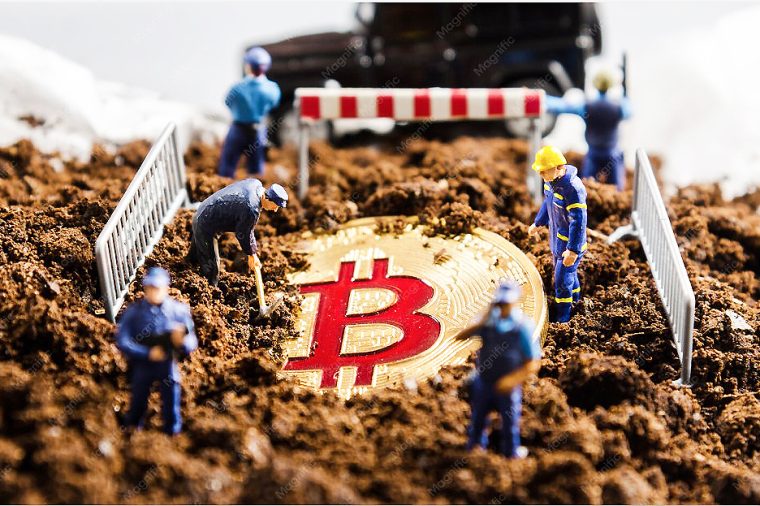
Bitcoin mining is a decentralized computer processthat secures the network, verifies user transactions, and introduces new bitcoin into circulation. Miners use powerful, specialized hardware to race in a high-speed guessing game to solve cryptographic puzzles. The winner adds the next block of transactions to the blockchain and earns a reward
Bitcoin mining is, with that said, the process used to verify transactions on the Bitcoin network and release new coins into circulation. Specialized computers race to solve complex mathematical puzzles through trial and error.
Bitcoin mining serves two core functions: it verifies and secures transaction records on a public digital ledger (the blockchain), and it introduces new bitcoins into circulation. Because Bitcoin has no central bank, miners act as a decentralized security guard and auditor network to keep the system honest.
 Miners take recent, pending Bitcoin transactions from users and group them together into a “block”. They verify that the senders actually own the Bitcoin they are trying to send, which prevents fraud like “double-spending” (spending the same coin twice).
The computer rapidly runs data through a cryptographic formula—making trillions of random guesses per second—until it hits a winning number combination dictated by the network. The network automatically changes how hard the puzzle is every two weeks. This ensures a new block is successfully locked in roughly every 10 minutes, no matter how many computers join the race.
Because altering past blocks would require redoing an impossible amount of expensive computing power, the massive amount of work put in by miners makes the entire transaction history virtually impossible to hack or change.
The first computer to guess the correct answer wins the right to publish the block. As payment for the electricity and hardware costs spent “working,” the network mints brand-new Bitcoin and awards it—along with transaction fees—to the winner.
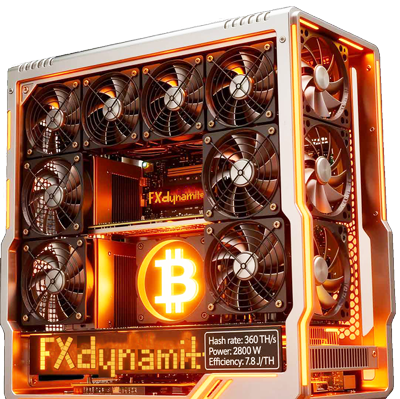
But don’t you worry, there are machines that will do this for you, very powerful machines. We have them in our arsenal. Send for more information and you will get more info and see what kinda machines we have.
The global Bitcoin network produces a new block roughly every 10 minutes, yielding a current block reward of 3.125 BTC. However, the time it takes an individual to mine 1 full Bitcoin completely depends on your hardware setup, ranging from several years for a single home rig to a few days for a massive commercial mining farm. Most users on Reddit agree that solo mining with individual equipment is no longer practically feasible due to extreme network competition.
Solo mining alone vs. Pool Mining is a probabilistic lottery where a small rig might take decades to find a block, whereas joining a mining pool pools shares to pay out fractional Bitcoin matching your exact contribution ratio.
Is bitcoin mining legal? According to TheStreet, reporting on a November 2021 Law Library of Congress report, bitcoin mining is banned in various countries, such as Bangladesh, China, Egypt, Iraq, Morocco, Nepal, Qatar, and more. However, it is legal in the US, and most countries, but not all US states allow the same.