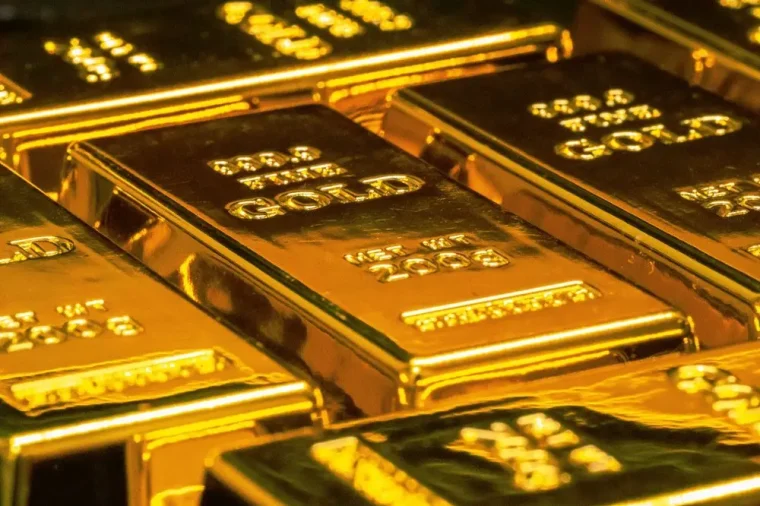
Gold is just one of the most liquid rare-earth elements in the products market. For CFD investors, it generally offers tighter spreads, steady rates, and high responsiveness to macroeconomic occasions-- particularly central bank choices, rising cost of living data, and moves in the United States dollar.
It's often deemed a hedge or diversity tool, however likewise includes in day trading techniques throughout volatile periods like significant economic releases or geopolitical occasions. Silver shares some features with gold, yet it's identified by its wider commercial demand. Silver can experience higher intraday volatility, making it prominent among investors looking for frequent price movements.
Like gold, silver CFDs are readily available for extensive trading hours on weekdays, with short day-to-day breaks. Where can you trade gold? Gold trading is readily available with derivatives markets, accessed through regulated online brokers. Retail investors can guess on gold cost activities using CFDs, without owning physical bullion or accessing gold product trading exchanges directly.
Below are some usual locations that underpin gold CFD rates: COMEX (part of CME Group): a major exchange for gold futures, widely made use of as a reference point for gold derivatives prices. The London OTC gold market: the primary global venue for physical gold trading. The London Bullion Market Organization (LBMA) administers the LBMA Gold Rate, a criteria for physical gold commonly referenced in gold place CFD pricing. Shanghai Gold Exchange (SGE): a leading physical gold trading center in Asia that contributes to regional and increasingly worldwide cost exploration, particularly through the Shanghai Gold Cost benchmark.
How does gold trading work?Gold trading includes guessing on the rate movements of area markets and futures-based agreements. If you utilize derivatives like contracts for difference (CFDs), you can trade gold without owning the physical metal. CFDs are traded on margin, and leverage enhances both earnings and losses. Here's just how it works: Buy and sell settings. As a gold investor, you might take a lengthy position when you expect prices to rise, or go short if you assume costs will drop. This adaptability suggests you can react to a range of gold trading price problems-- from reserve bank plan shifts to geopolitical events-- without taking shipment of the metal.
Spreads and trading costs Gold CFD trading expenses are commonly shown in the spread-- the difference in between the buy and sell rate-- though compensations or over night charges might additionally apply. If you keep a setting open beyond the trading day, overnight funding charges might apply. Prior to trading, discover the expenses on our fees and charges web page. Trading on margin Gold CFDs are traded on margin, so you only need to transfer a percent of the full profession value to open a position. This allows for higher exposure than your initial investment, which can magnify both revenues and losses.
It is very important to handle danger properly and comprehend your margin requirements prior to positioning a profession. Gold price volatility Gold rates can be unstable, usually reacting to macroeconomic data, central bank rates of interest choices, changes in the United States buck, and gold trading news. Events such as non-farm payrolls or inflation records can trigger sharp rate swings, developing chances for day investors and those using short-term approaches. Market accessibility You can trade gold online with our CFD trading system-- readily available on desktop computer and mobile.
High liquidity in gold markets can support efficient implementation and affordable spreads, although slippage might still occur during periods of enhanced volatility. Which gold markets can I trade? When you trade gold CFDs with us, you have two crucial markets to select from: gold place and gold futures: Gold place CFDs show the real-time market price of gold, generally quoted for immediate settlement in the underlying market. It's the most usual criteria for gold CFDs, giving you direct exposure to short-term price moves without having the steel. Gold spot rates are affected by worldwide supply and need, interest rates, and major economic events.
Gold futures CFDs track the cost activities of gold futures agreements, which lock in a cost for gold at a future date. Gold future rates frequently trade at a premium or price cut to place, depending upon variables like market belief, rate of interest, and time to expiration. With CFDs, you can trade on these cost modifications without the demand to access a futures exchange or hold a futures account. As a day trader, you may open and shut several gold CFDs within the exact same day, intending to capitalise on intraday volatility.
Short-term gold cost movements might be affected by crucial economic information launches like United States rising cost of living or non-farm pay-rolls. Day traders check support and resistance degrees, moving standards, and RSI to aid determine possible entrance and exit points.
Swing tradinginvolves holding gold settings for numerous days to a couple of weeks. Swing traders want to record medium-term cost actions, often around technological degrees or adjustments in momentum. Swing traders use tools like RSI, Fibonacci retracements, and candle holder patterns to notify trade timings. Pattern investors intend to comply with continual relocate the gold rate-- either up or downward.
Trend tradingmethods can include technological indications such as moving averages, trendlines, or the ADX to examine the strength of a current pattern. For instance, a weakening United States dollar or dovish central bank stance may support a longer-term favorable pattern in gold.
Setting trading is a longer-term technique. These traders hold gold CFDs for weeks or months, basing their decisions on macroeconomic aspects such as central bank policy, inflation assumptions, and geopolitical risk. As a placement investor, you might use larger stop-losses, while checking margin needs.
What is gold trading?